
Short answer: yes, you can train K-pop vocals online — if your training has structure and real feedback. Evaluators listen first for stability, tone, pitch, breath control, and pronunciation, not just high notes. A good online routine warms up the voice, drills technique, works one song section deeply, and records every session for review. Self-practice builds habits; an outside ear tells you which habits are wrong.
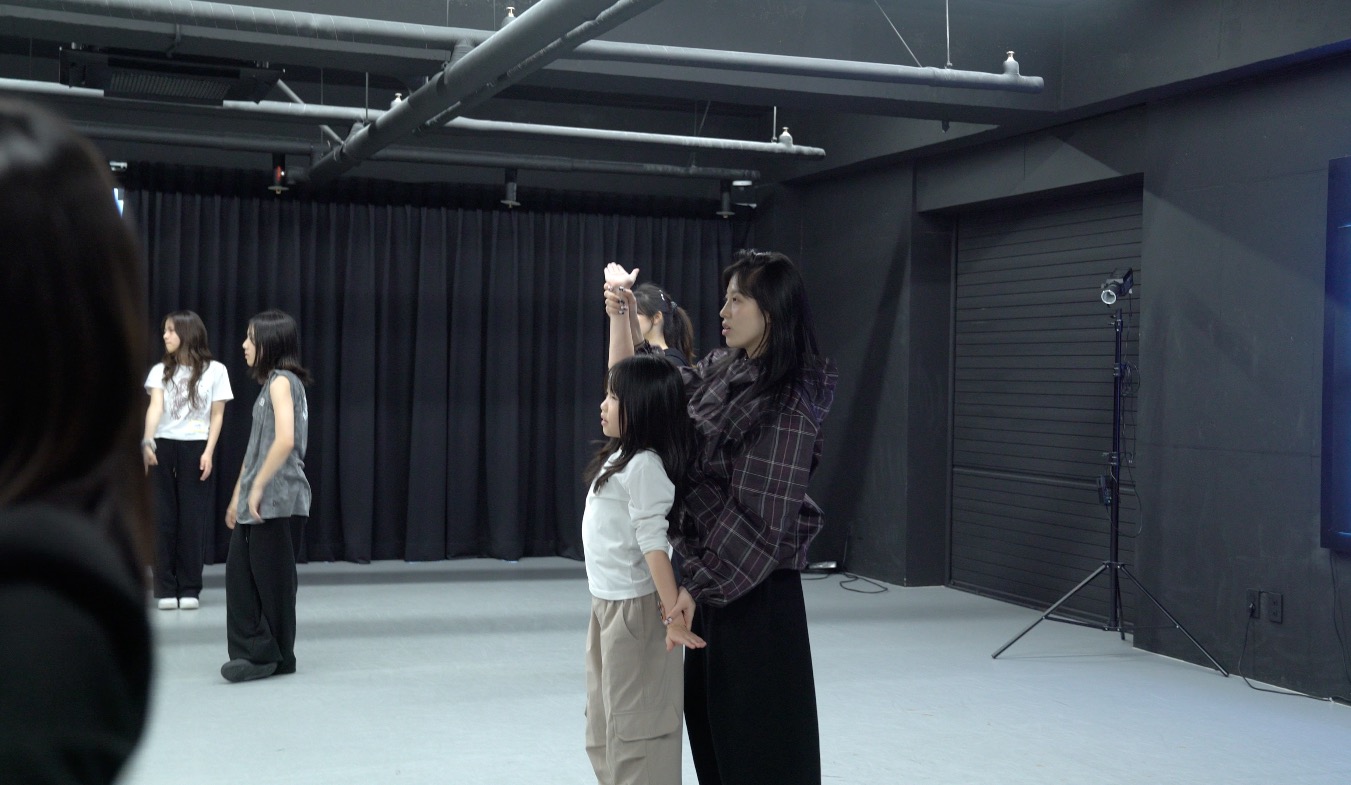
What K-pop vocal evaluators actually listen for
In the first few seconds of a vocal audition, an evaluator decides whether to trust your voice. They're listening for:
- Pitch accuracy — are you on the note, consistently?
- Stability — does the tone hold steady, or wobble and crack under pressure?
- Tone color — is there something distinctive and pleasant about your sound?
- Breath control — can you finish phrases without running out of air?
- Pronunciation — does it sound careful, even if it isn't native-perfect?
- Emotion and delivery — does the song mean something when you sing it?
Notice what's missing: "highest note." A big note you can't control hurts more than it helps.
Can you train K-pop vocals online?
Yes. Vocal training is well suited to online formats because so much of it is repetition: breathing, scales, and song work you can do in any quiet room. What online training needs to get right is feedback. You hear your voice from inside your head, which is different from how a microphone or an evaluator hears it. Recording and outside review close that gap.
A daily online vocal routine (30–45 minutes)
Warm-up (8–10 min)
- Gentle humming and lip trills
- Sirens through your range, no forcing
- Relaxed shoulders, jaw, and neck
Technique (10–15 min)
- Breath: slow inhale, steady hiss on exhale; aim to lengthen it week by week
- Sustained notes in your comfortable range, focusing on steadiness
- Simple five-note scales; prioritize clean transitions over height
Song work (10–15 min)
- One song, one 30-second section
- Sing it slowly, then at tempo
- If it's in Korean, speak the lyrics first, then sing
Record and review (5 min)
- Record the section once, full effort
- Listen back the next day with fresh ears; note one thing to fix
Rest when your voice is tired. Pain, hoarseness, or strain are signs to stop, not push through.
How to record your voice honestly
- Use a quiet room with soft furnishings to reduce echo.
- Keep the phone at a consistent distance, roughly at mouth height.
- No autotune, reverb, or heavy filters. Evaluators want your real voice.
- Record the same section regularly so you can compare like with like.
- Save a "baseline" recording so you can hear progress over months.
Common mistakes in self-taught K-pop vocals
- Chasing high notes before mid-range is stable
- Over-imitating an idol's style (runs, breathiness) instead of building your own tone
- Singing over the original track, which hides pitch problems
- Practicing only when motivated instead of a little every day
- Ignoring breath, which causes most cracks and strained endings
Choosing a song for a vocal audition
Pick a song that shows your strongest controlled sound in the first few seconds. A simpler song sung cleanly beats a hard song sung nervously. Make sure the key suits your voice — changing the key is fine. For tape setup, see How to Prepare a K-pop Audition Tape.
When you need a coach (and what to look for)
You need outside feedback when:
- You can't tell whether you're improving
- You crack or strain in the same places repeatedly
- You've practiced for months and your recordings sound the same
Look for a coach who reviews your actual recordings, gives specific action items, and tracks progress with some kind of score — not just encouragement.
How vocal training works at Keens
Keens' vocal training sits inside the same system Jae Shim built during twenty years as SM Performance Director, with vocal direction from Jay Kim.
- Level Check: submit a vocal clip and get a 0–10 score, written notes, and a roadmap.
- K-TOP online training: structured vocal lessons alongside dance, expression, and stage, plus a Vocal Room for warm-ups and range builders.
- K-TOP 1:1: a Keens trainer reviews your vocal footage weekly and catches the technique drift you can't hear yourself.
Training starts from age 5, and most of Keens' 15,000+ trainees train from outside Korea.
Find out what your voice needs. Submit a vocal clip for a Level Check, or start K-TOP online training.
Keep reading: K-pop Dance Training Online · K-pop Group Positions Explained · Best Online K-pop Training Programs [2026]

FAQ
Can I learn K-pop vocals online?+
Yes. Structure and honest feedback matter more than location.
What do K-pop vocal auditions look for?+
Pitch, stability, tone, breath control, pronunciation, and delivery — usually before range.
How long should I practice singing each day?+
30–45 focused minutes daily, with rest when your voice is tired, is a strong start.
Do I need to sing in Korean?+
Not necessarily. Choose the song that shows your voice best. If you sing in Korean, practice pronunciation carefully.